



Root Canal Treatment
Home > Root Canal Treatment
We Pride Ourselves On Being The Best Melbourne Dentist
Root Canal Treatment

Mention the words root canal and you’re likely to be met with a resounding groan. Stories of long and gruelling endodontic procedures strike fear into the hearts of many. But it needn’t be the case. Root canal is a commonly performed dental procedure used to treat infection inside a tooth and support its preservation where appropriate.
For patients exploring root canal treatment in Coburg or considering root canal treatment in Melbourne, becoming informed and finding a dental team you feel comfortable with can be an important first step toward understanding your treatment options.
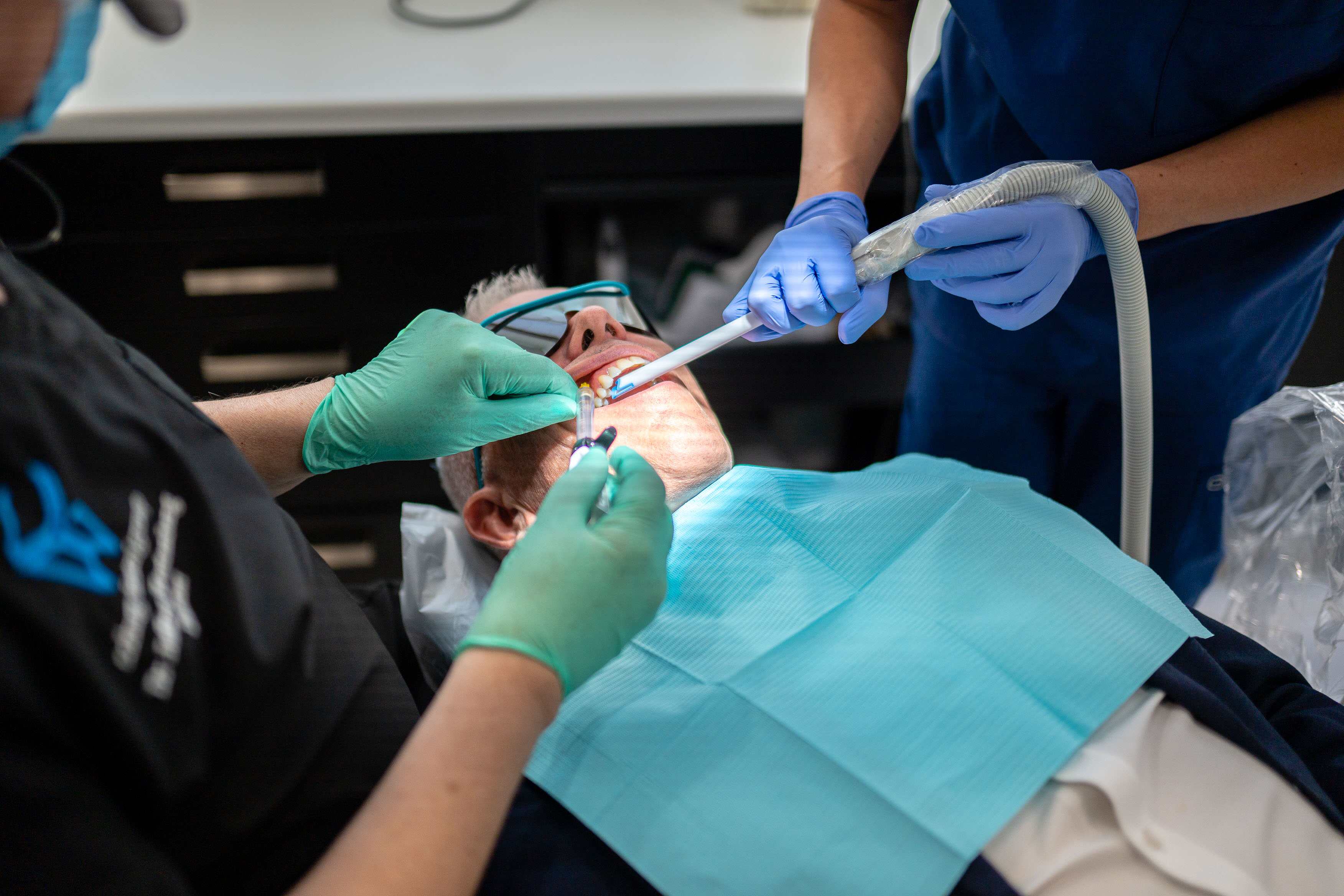
So how do you know if you need root canal treatment, and what will it involve?
Root canal treatment may be recommended when decay has affected the inner part of the tooth (the pulp). The procedure involves removing the pulp (called the nerve) from within the tooth and then sealing the cavity. The pulp lies in the centre of the tooth within a thin canal extending from the crown of the tooth through to the tip of the root.
Sometimes the pulp of the tooth will die without causing any noticeable pain. You may become aware that root canal treatment may be considered if you experience the following:
- The tooth becomes painful and tender to bite on.
- Sensitivity to heat and cold
- A large visible cavity, which extends into the nerve of the tooth, or suddenly becomes dark in colour
- Facial swelling
- Persistent or recurring toothache that may come and go
- Pain that may spread to the jaw, ear, or surrounding teeth
- A pimple-like bump on the gums near the affected tooth (possible abscess)
- Bad taste in the mouth or fluid discharge near the tooth
- Gum redness or tenderness around a specific tooth
Modern root canal treatment is performed under local anaesthesia to help keep patients comfortable during the procedure. Your dentist will discuss the treatment process and answer any questions before commencing care.
If you are exploring root canal treatment in Coburg or considering treatment options in Melbourne, a consultation allows your dentist to assess your tooth and discuss whether root canal treatment may be appropriate for your individual situation.

Common Causes of Pulp Damage in Teeth
The most common cause of pulp damage may be deep tooth decay, which allows bacteria to reach into the pulp. The pulp may then become inflamed or infected.
Products of infection may spread through the opening at the root tip into the surrounding bone — an abscess may develop, which can sometimes cause pain and swelling. However, not all abscesses cause pain or swelling.
Other causes of pulp damage include:
- Traumatic blows to the teeth
• Loose fillings
• Excessive wear of teeth - Cracked or fractured teeth
- Large or repeated dental fillings weakening the tooth structure
- Untreated cavities that progress over time
- Previous dental trauma that may not have been fully treated
So how do you know if you need root canal treatment, and what will it involve?
Root canal treatment may be recommended when decay has affected the inner part of the tooth (the pulp). The procedure involves removing the pulp (called the nerve) from within the tooth and then sealing the cavity. The pulp lies in the centre of the tooth within a thin canal extending from the crown of the tooth through to the tip of the root.
Sometimes the pulp of the tooth will die without causing any noticeable pain. You may become aware that root canal treatment may be considered if you experience the following:
- The tooth becomes painful and tender to bite on.
- Sensitivity to heat and cold
- A large visible cavity, which extends into the nerve of the tooth, or suddenly becomes dark in colour
- Facial swelling
- Persistent or recurring toothache that may come and go
- Pain that may spread to the jaw, ear, or surrounding teeth
- A pimple-like bump on the gums near the affected tooth (possible abscess)
- Bad taste in the mouth or fluid discharge near the tooth
- Gum redness or tenderness around a specific tooth
Modern root canal treatment is performed under local anaesthesia to help keep patients comfortable during the procedure. Your dentist will discuss the treatment process and answer any questions before commencing care.
If you are exploring root canal treatment in Coburg or considering treatment options in Melbourne, a consultation allows your dentist to assess your tooth and discuss whether root canal treatment may be appropriate for your individual situation.
Common Causes of Pulp Damage in Teeth
The most common cause of pulp damage may be deep tooth decay, which allows bacteria to reach into the pulp. The pulp may then become inflamed or infected.
Products of infection may spread through the opening at the root tip into the surrounding bone — an abscess may develop, which can sometimes cause pain and swelling. However, not all abscesses cause pain or swelling.
Other causes of pulp damage include:
- Traumatic blows to the teeth
• Loose fillings
• Excessive wear of teeth - Cracked or fractured teeth
- Large or repeated dental fillings weakening the tooth structure
- Untreated cavities that progress over time
- Previous dental trauma that may not have been fully treated
What is Endodontic Treatment?
Endodontic treatment is dental care that focuses on the inside of the tooth, especially the dental pulp. It may be considered when the pulp is affected by infection or damage. During endodontic treatment, the affected pulp is removed from inside the tooth through a small opening. The inside of the tooth is then cleaned to manage the condition and support ongoing oral health. Root canal treatment is a common form of endodontic treatment.
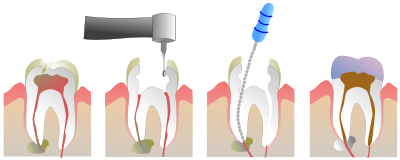
Step-by-Step Root Canal Procedure
Root canal treatment is typically completed in a series of steps:
- Examination and imaging
We begin by examining the tooth and may take X-rays to assess the condition and assist with treatment planning. - Local anaesthetic
Local anaesthetic is generally used to numb the area to support comfort during treatment. - Access opening
A small opening may be made in the tooth to access the inner pulp. - Removal of infected pulp
The affected pulp may be removed from inside the tooth. - Cleaning and shaping
The root canals may be cleaned and shaped using dental instruments. - Disinfection
The canals may be disinfected to help reduce bacteria. - Filling and sealing
The canals are typically filled and sealed to help manage the space inside the tooth. - Final restoration
The tooth may be restored with a filling or crown, depending on clinical assessment.
Root canal treatment may be completed in one or more visits, depending on the condition of the tooth. Following treatment, the tooth may require a permanent restoration such as a filling or crown to help restore strength and function.
After Root Canal Treatment
Following treatment, mild sensitivity or discomfort may occur for a few days and usually settles gradually.
Aftercare may include:
- Avoid chewing on the treated tooth until restored, if advised
- Maintain good oral hygiene
- Take any recommended pain relief as directed
- Attend follow-up appointments
- Contact your dentist if pain or swelling worsens
Possible benefits of preserving the natural tooth
Where clinically appropriate, root canal treatment may allow the natural tooth to be retained rather than removed. Retaining the natural tooth may assist in maintaining normal biting function, supporting surrounding teeth, and contributing to overall oral structure.
Is there an alternative treatment?
There is often no direct substitute for retaining your natural tooth where possible. A natural tooth may function more effectively for chewing and biting compared with some replacement options. Endodontic treatment is a commonly performed dental procedure aimed at managing infection and helping preserve the tooth where appropriate.
Retaining the natural tooth where suitable may help maintain normal chewing function and support surrounding teeth.
In some situations, tooth extraction and replacement options may be discussed. Your dentist will explain suitable options based on your individual circumstances.
When to seek dental advice
If your teeth are causing pain or discomfort, seeking a timely dental assessment is recommended. Prompt treatment may help address infection and support ongoing oral health.
If you are considering root canal treatment in Coburg or exploring options for root canal treatment in Melbourne, you can schedule an appointment to discuss suitable options with our team.
Coburg Dental Group provides a range of dental services to patients in North Melbourne and surrounding areas.
Any surgical or invasive procedure carries risks. Before proceeding, you should seek a second opinion from an appropriately qualified health practitioner.
What is Endodontic Treatment?
During endodontic treatment, the infected or damaged pulp is removed from the inside (i.e. root canal) of the tooth via the small access hole. Access is gained into the tooth, removing decay and allowing for endodontic treatment to be commenced.
- The root canals are then cleaned, disinfected and shaped to a form that can be completely sealed
- The next stage is to seal (fill) the root canal with a filling material to prevent re-infection.
Frequently Asked Questions
You may need a root canal when decay reaches the nerve or pulp of a tooth. Signs may include persistent tooth pain, sensitivity to heat or cold, visible tooth discolouration, a large cavity reaching the inner nerve, tenderness when biting, or swelling in the face or gums.
The infected pulp may be removed, and the canals may be cleaned, shaped and disinfected using dental instruments and magnification where appropriate. The canals are then sealed, and the tooth may be restored, often with a crown. Treatment is performed under local anaesthetic in a sterile environment using accepted clinical techniques and dental equipment.
Saving your natural tooth may help maintain normal chewing function, support jawbone and gum contours, and help protect adjacent teeth. Treatment may be completed in one or more visits depending on the condition of the tooth. Patient comfort is supported through the use of local anaesthesia and appropriate pain management.
Recovery experiences vary between patients. Some tenderness or sensitivity may occur following root canal treatment. Your dentist will provide individual aftercare advice following the procedure.
Root canal treatment may be suitable for many patients; however, suitability depends on individual oral health, medical history, and the condition of the affected tooth. Your dentist will assess your situation and discuss whether root canal treatment is an appropriate option for you.
Delaying treatment may allow infection to progress, which can sometimes lead to an abscess, spread of infection to surrounding tissues, or possible tooth loss.
A crown may be recommended after root canal treatment to help restore and protect the tooth, particularly where significant tooth structure has been lost.
The longevity of a root canal-treated tooth can vary depending on factors such as oral hygiene, the condition of the tooth, and ongoing dental care. In some cases, teeth may function for many years following treatment.
The cost may vary depending on the tooth and the complexity of treatment. Your dentist can provide an estimate after assessment.
Antibiotics may be used in some cases of swelling or acute infection. However, they do not treat infection inside the tooth, and root canal treatment may still be required.
A root canal treatment may take around 60 to 90 minutes per visit, depending on the tooth and the complexity of the case.